What to Consider When Investing in Wildlife Prints on Archival Paper
Many wildlife photographers offer prints, but not all limited edition wildlife prints on archival paper are produced to the same standards.
For anyone considering investing in a wildlife photography print, the quality of the paper, printing process and editioning matters enormously. These elements all influence how a wildlife photograph looks, feels and lasts over time.
As a wildlife photographer, I have always believed that photographs are ultimately meant to exist in print.
A fine art wildlife print allows an image to be experienced properly. Not briefly on a screen, but as a physical object with depth and permanence.
Here on my photography website, I offer a selection of signed open-edition and limited- edition wildlife photography prints produced on gallery-quality archival fine art paper. These prints are designed to preserve detail, tonal depth and longevity, particularly for black-and-white wildlife photography.
Please browse the collection and get in touch with any questions.
What Are Archival Wildlife Photography Prints?
Archival wildlife photography prints are produced using museum-quality materials designed to resist fading and deterioration over time.
This typically includes:
archival fine art paper
pigment-based archival inks
conservation-grade printing processes
Together, these materials help ensure that a wildlife print maintains its quality and tonal richness for decades when properly cared for.
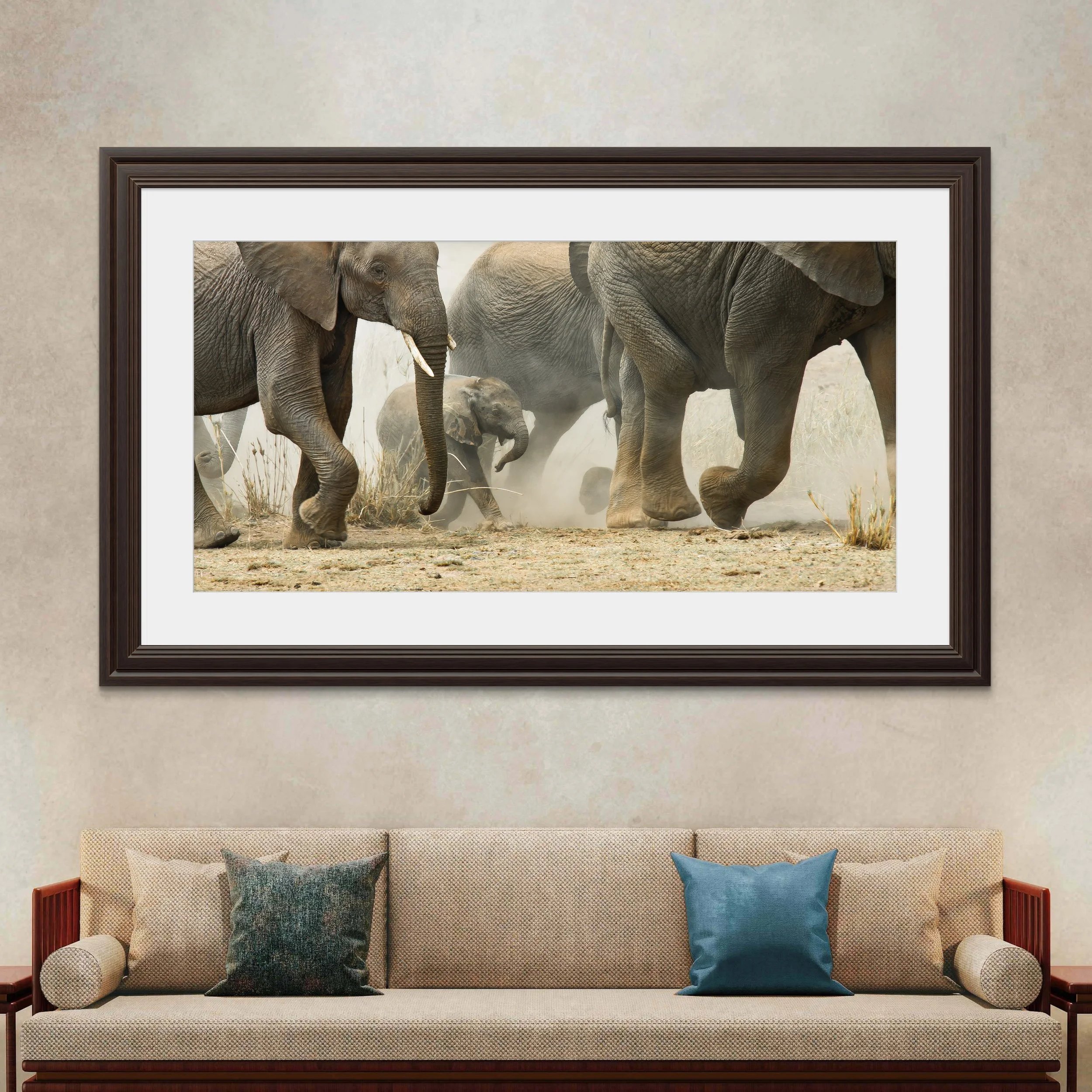
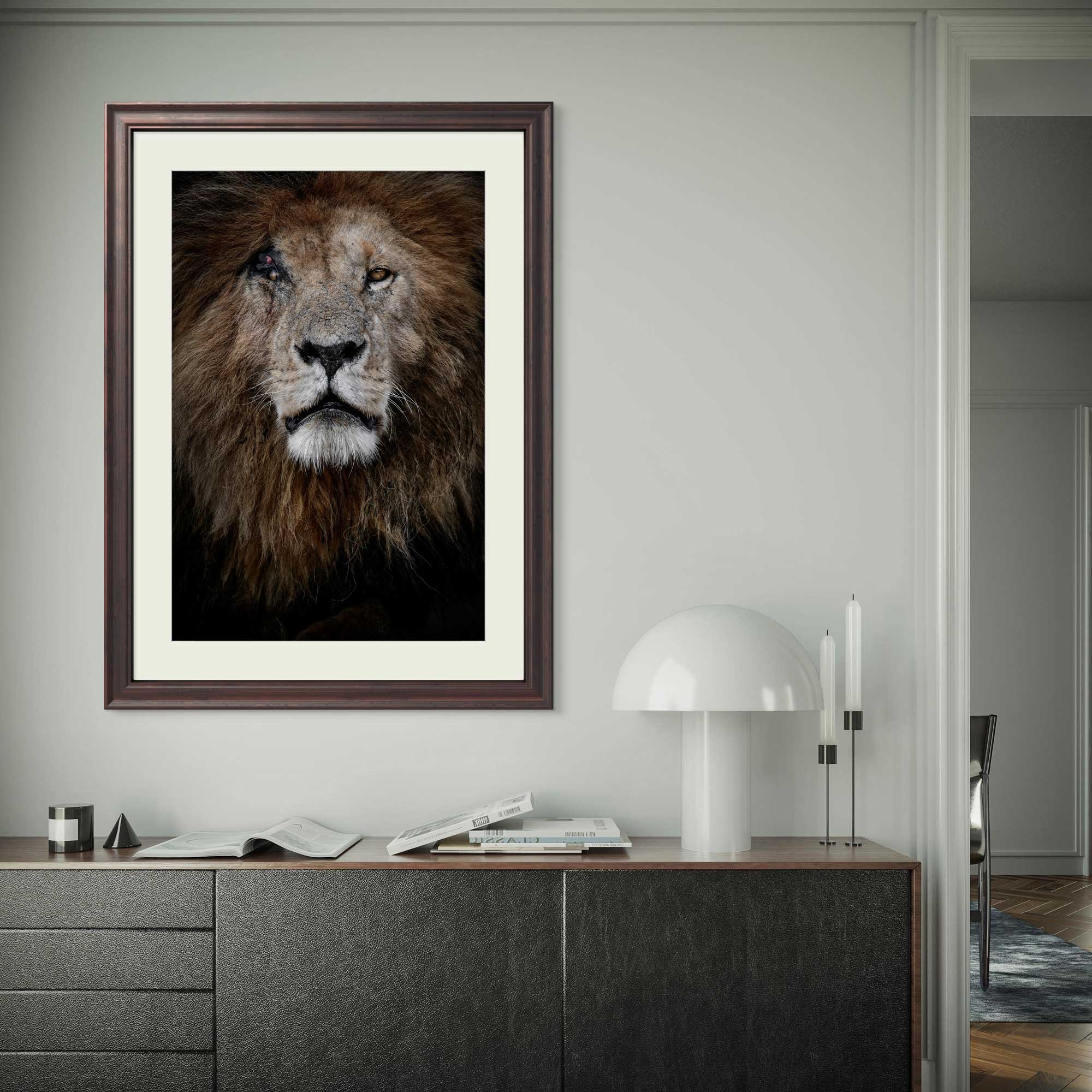
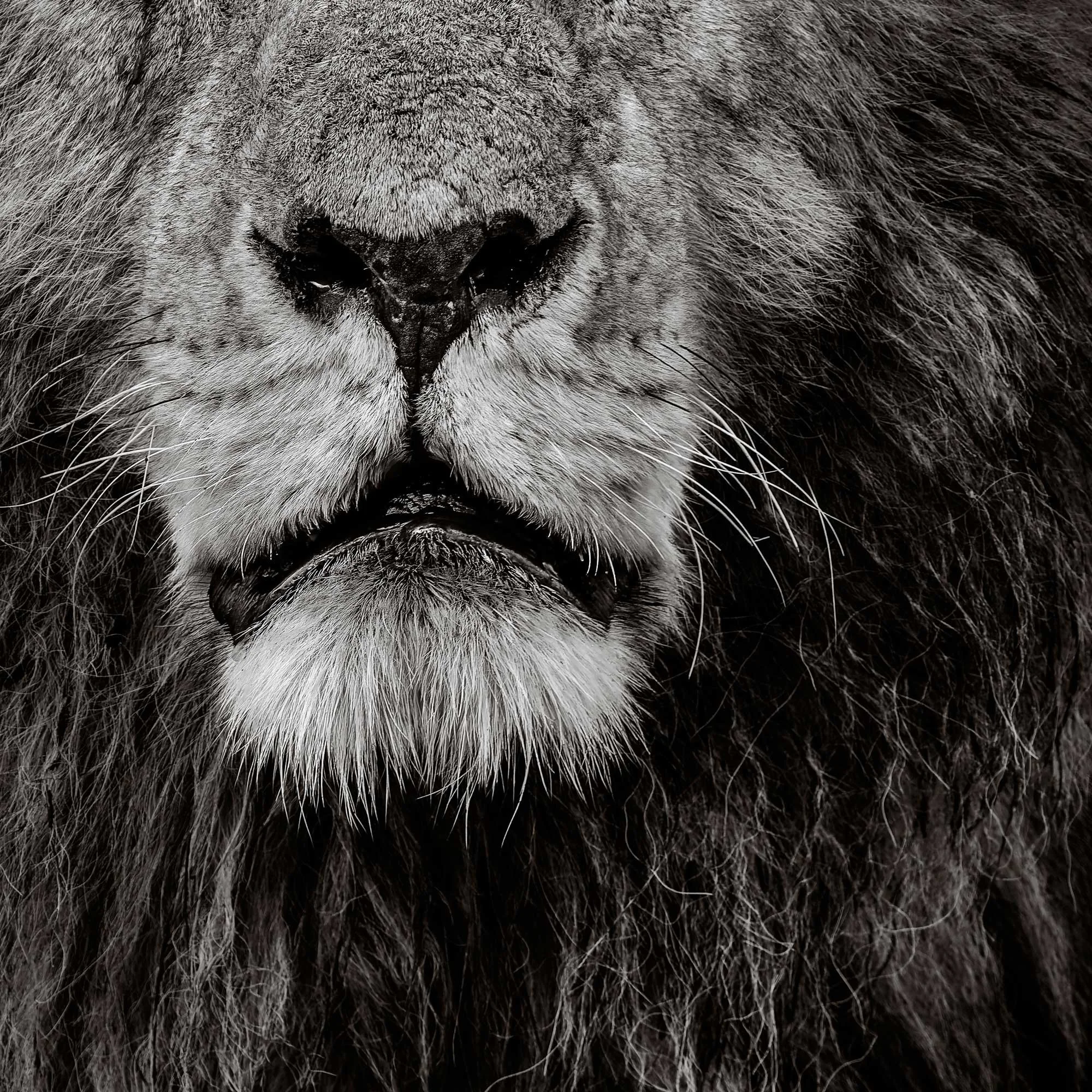
Archival papers are particularly well-suited to wildlife photography because they reproduce fine textures and subtle tonal transitions exceptionally well. Details such as the rough skin of an elephant, the mane of a lion or the textures of a buffalo’s horns benefit enormously from high-quality printing materials.
For black-and-white wildlife photography especially, archival paper helps preserve depth, contrast and shadow detail in a way standard photographic printing often cannot.
What to Look for When Buying Archival Wildlife Photography Prints
If you are considering investing in a wildlife print, there are several important things worth paying attention to:
Archival Fine Art Paper
The quality of the paper has a major impact on both appearance and longevity. Archival fine art papers are designed to maintain tonal quality and resist deterioration over time.
Each wildlife print I offer is produced using the giclée printing method on heavy 310gsm Hahnemühle Photo Rag fine art paper. This is widely regarded as one of the industry standards for fine art photographic printing, used by galleries and exhibitors.
The matte surface of Hahnemühle Photo Rag is particularly well suited to black-and-white wildlife photography, allowing subtle textures, contrast and shadow detail to reproduce cleanly and naturally without visible print patterning.
Alternative papers are available on request.
Print Quality and Tonal Detail
Museum-quality wildlife prints should preserve fine detail, texture and depth, and my prints use long-life archival inks to achieve this.
Quality inks help ensure excellent tonal reproduction, detail and lightfast durability over time.
Signed and Numbered Editions
Limited-edition wildlife prints are produced in carefully controlled quantities, with only a fixed number of prints made available.
Something is pleasing about knowing that only a small number of a particular print will ever exist. For me, wildlife photography has never been about producing endless quantities of images, but about ensuring that each edition remains special and carefully managed, rather than being endlessly reproduced.
Authenticity of the Image
Many collectors value wildlife photographs that remain truthful to the original encounter. My own approach has always been to portray animals honestly, without excessive digital manipulation.
Ethical Wildlife Photography
The best wildlife photography comes from patience and observation rather than disturbance or manipulation. Ethical field practices often result in more natural and authentic wildlife portraits.

David Lloyd Limited Edition Wildlife Photography Prints
My own wildlife photography prints are available in both open and limited editions, featuring animals photographed across Africa and India, including lions, elephants, tigers, gorillas, buffalo, giraffes and the great wildebeest migration.
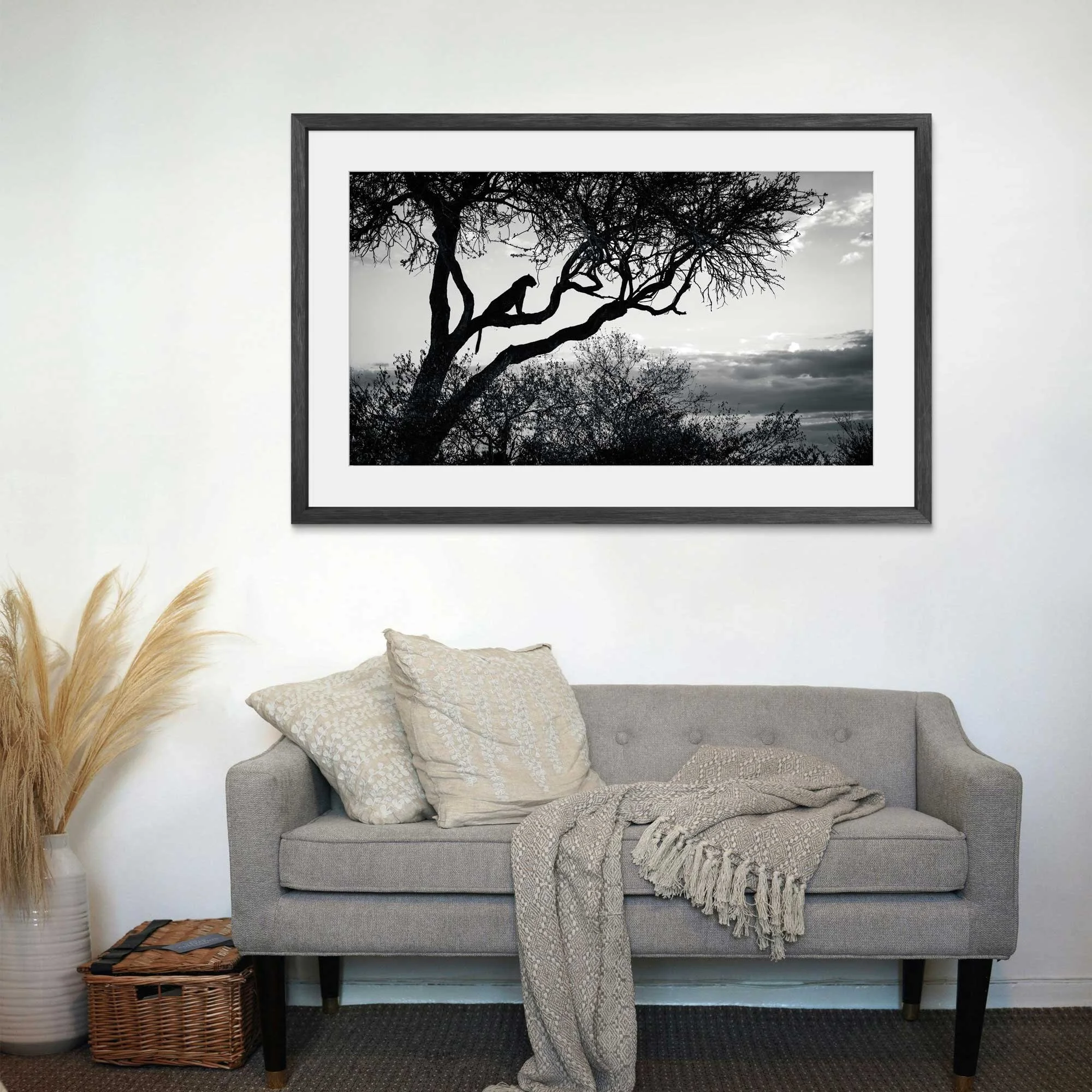
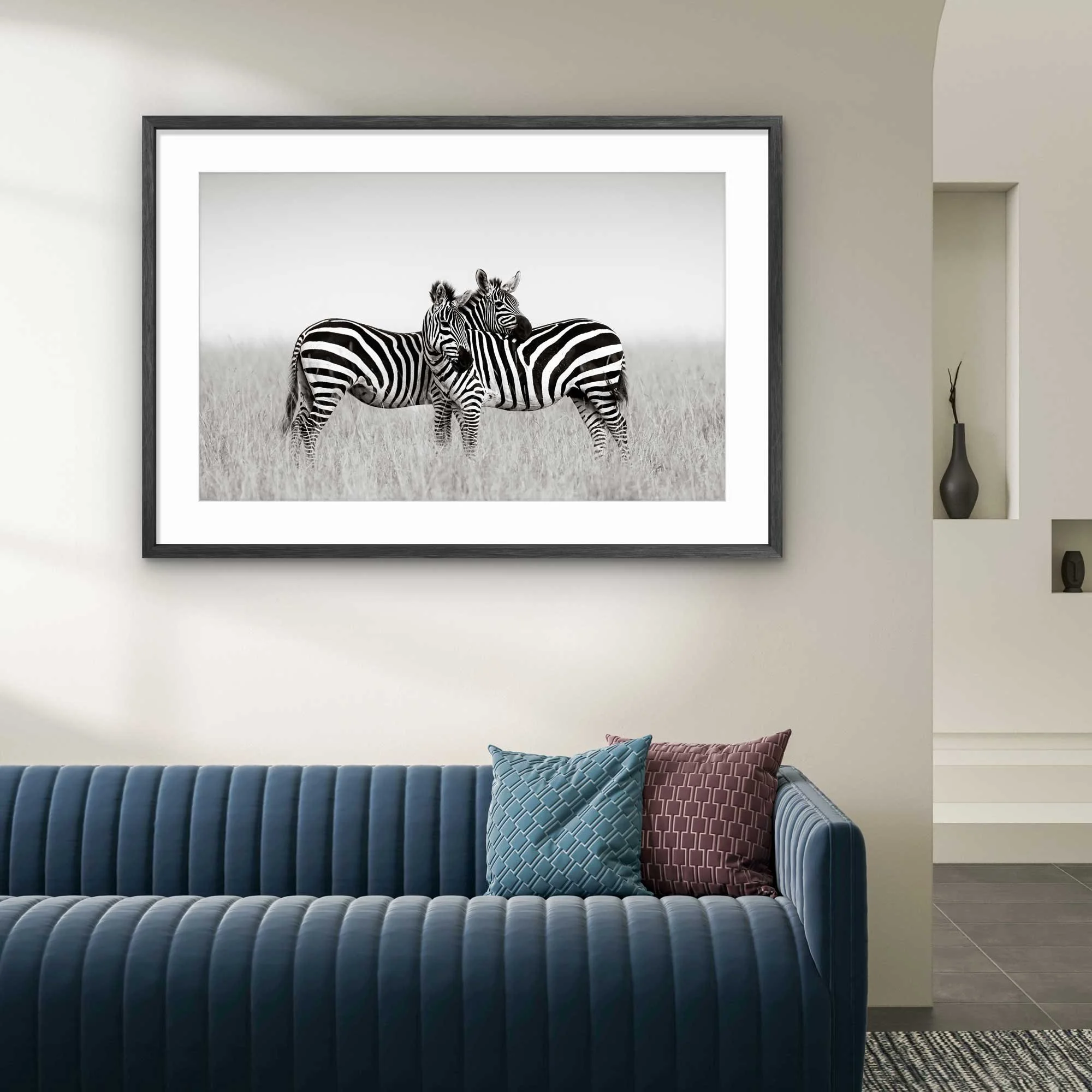
Many of the images are presented in black and white, a style that has become closely associated with my work over the years.
Each wildlife print is produced on gallery-quality archival fine art paper selected for its ability to reproduce texture, tonal depth and detail accurately.
Several of the images have also received recognition in international wildlife and nature photography competitions, including Wildlife Photographer of the Year, where I have been awarded on multiple occasions.
Related: Tips on Choosing Animal Wall Art Prints for Your Home
Why Archival Paper Suits Black and White Wildlife Photography
Black-and-white wildlife photography relies heavily on tonal subtlety. Without colour, the viewer’s attention naturally shifts toward texture, shape, contrast, expression and light.
Archival fine art papers help preserve these qualities exceptionally well.
The depth and texture retained through museum-quality printing becomes an important part of the viewing experience.
A wildlife photograph viewed on a screen can appear fleeting. In print, the same image gains physical presence and permanence.
Archival Wildlife Prints Designed to Last
A fine art wildlife print should be something that can be appreciated for many years.
Whether displayed in a home, office or gallery space, archival wildlife photography prints are designed to maintain their quality over time while preserving the detail and atmosphere of the original image.
My own approach to wildlife photography has always been rooted in patience, observation and respect for the animals I photograph. The same care extends to how the final images are presented in print.
Black and White Wildlife Prints for Home Decor
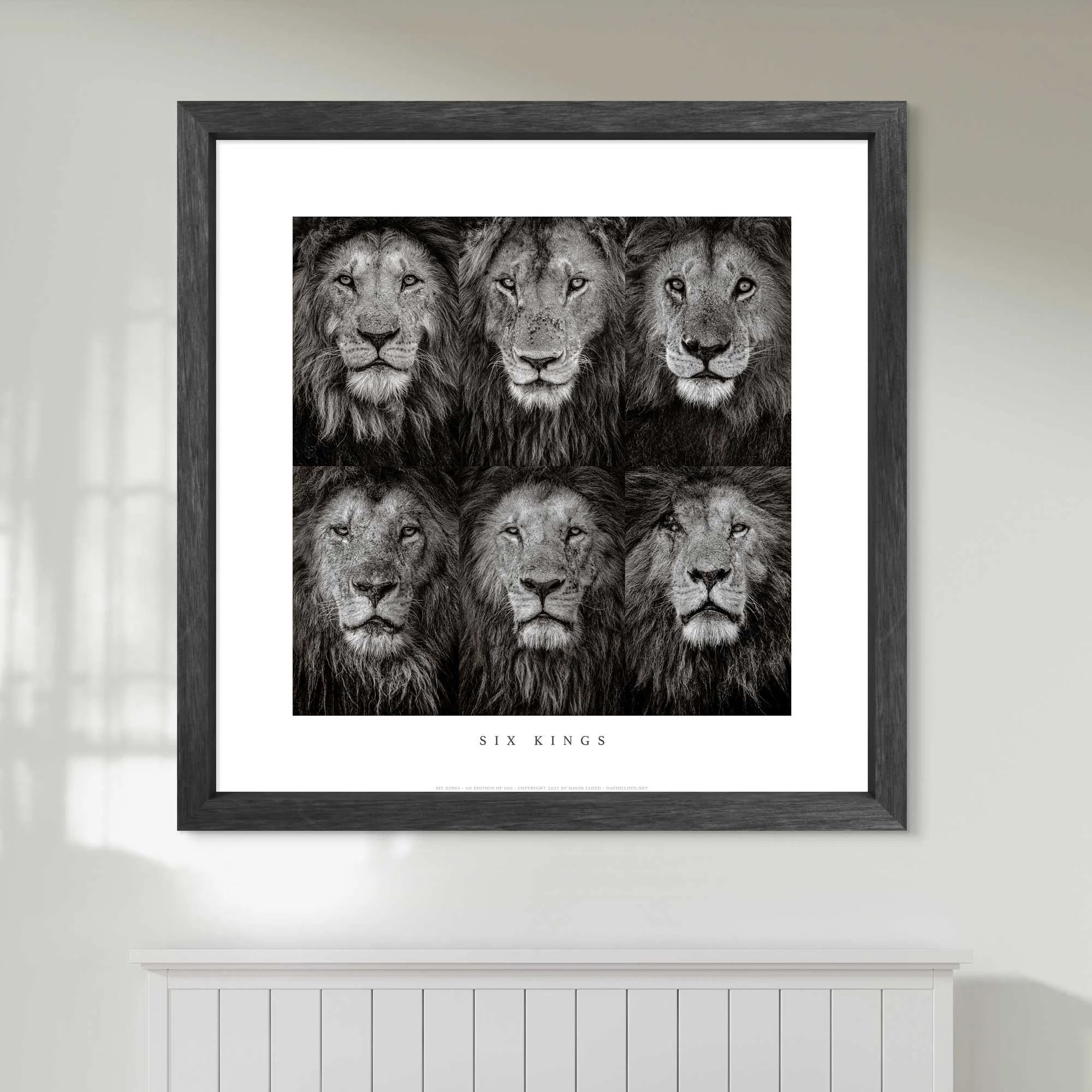
Black-and-white wildlife images work particularly well in interior spaces because they tend to feel timeless and understated.
Without the distraction of colour, attention naturally falls on texture, expression and form, allowing the image to sit comfortably within both contemporary and traditional interiors.
Many collectors choose black-and-white wildlife prints for home decor because they complement a wide range of spaces, whether displayed as a single statement piece or as part of a larger gallery wall.
Large-format black and white wildlife prints can also create a strong focal point within a room while maintaining a calm and natural aesthetic.
Explore the Wildlife Print Collection
If you would like to explore the current wildlife photography print collection, printed on archival paper, please visit the online store. Thanks for your interest.
Please subscribe to receive wildlife photography tips, news and advance notice about print releases, safaris, new destinations and subscriber offers.
David
Related: The Ultimate Guide to Fine Art Wildlife Prints
FAQ: Wildlife Photography Prints on Archival Paper
Why buy limited edition wildlife prints?
Limited-edition wildlife prints offer greater exclusivity and collector value because only a fixed number of prints are produced.
Are limited edition wildlife photography prints suitable for collectors?
Yes. Limited edition wildlife photography prints are often collected for their exclusivity, craftsmanship and artistic value.
What is archival paper in wildlife photography prints?
Archival paper is a museum-quality fine art paper designed to resist fading and deterioration over time, helping photography prints maintain their quality for decades.
Are the David Lloyd wildlife prints of archival quality?
Yes. David Lloyd's wildlife photography prints are produced on gallery-quality archival fine art paper designed for longevity and exceptional tonal reproduction.
Are David Lloyd wildlife prints signed?
Selected David Lloyd wildlife prints are available as signed and numbered limited editions.
How long do archival wildlife prints last?
When properly cared for, archival wildlife photography prints produced on museum-quality fine art paper can retain their quality for many decades.