African Animal Silhouettes: Photography Tips for Striking Wildlife Images
A well-rounded portfolio of African wildlife photography feels incomplete without at least one well-executed animal silhouette.
Animal silhouettes add variety, contrast and mood. They’re often a viewer’s favourite because they simplify a scene to its essence.
What Is A Wildlife Silhouette?
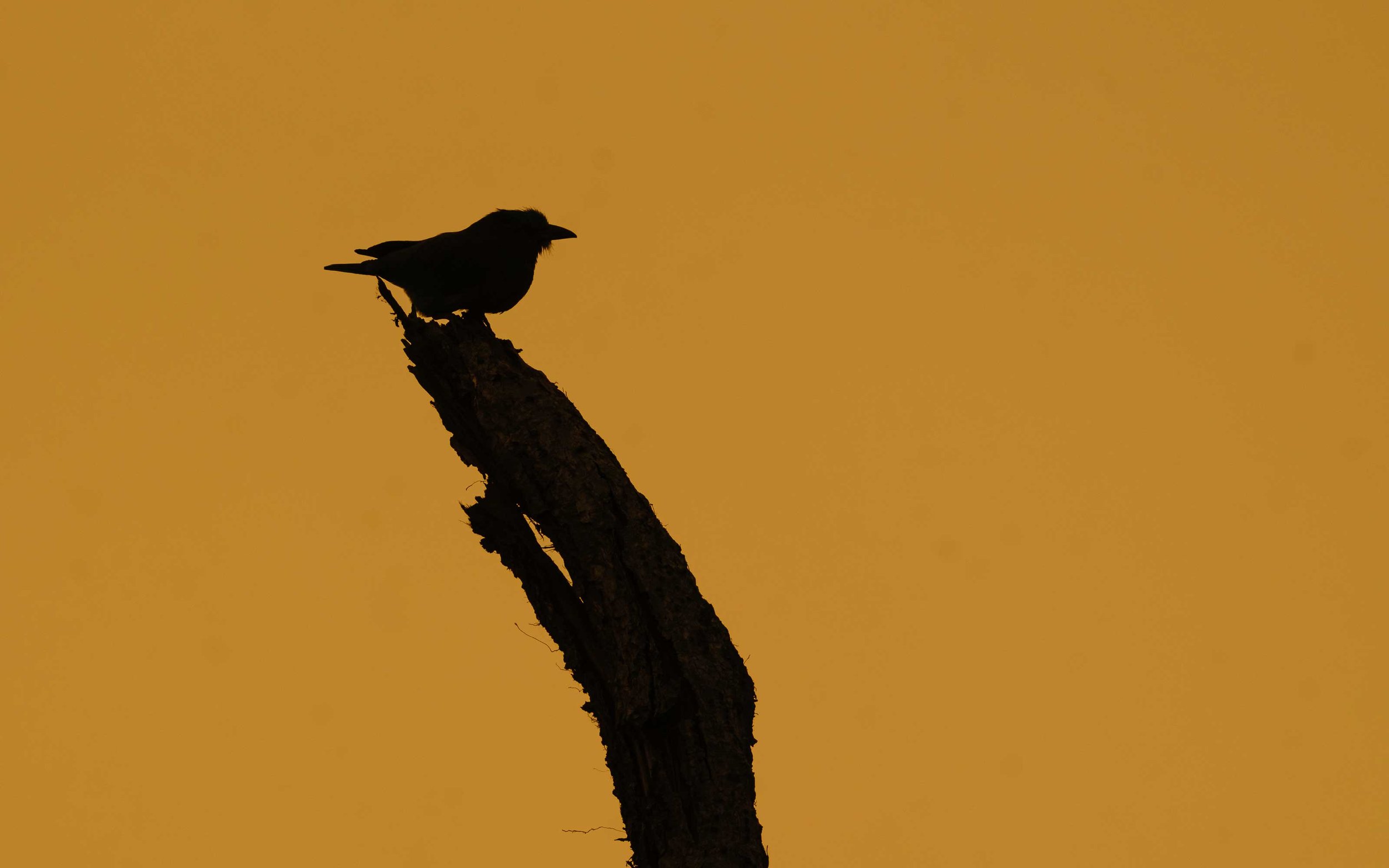
Silhouettes are dark shapes with a clear outline set against a splash of colour or texture behind them. The background is usually the sky, but it can be anything that contrasts strongly with the subject, whether that’s a textured horizon or a flat wash of colour.
Like slow panning, wildlife silhouettes are often a practical solution once the light drops too low for conventional wildlife photography.
Why Focus On Silhouettes In Wildlife Photography?
1) Adds balance to your wildlife photography portfolio
Including one or two well-executed African wildlife silhouettes in your portfolio adds balance.
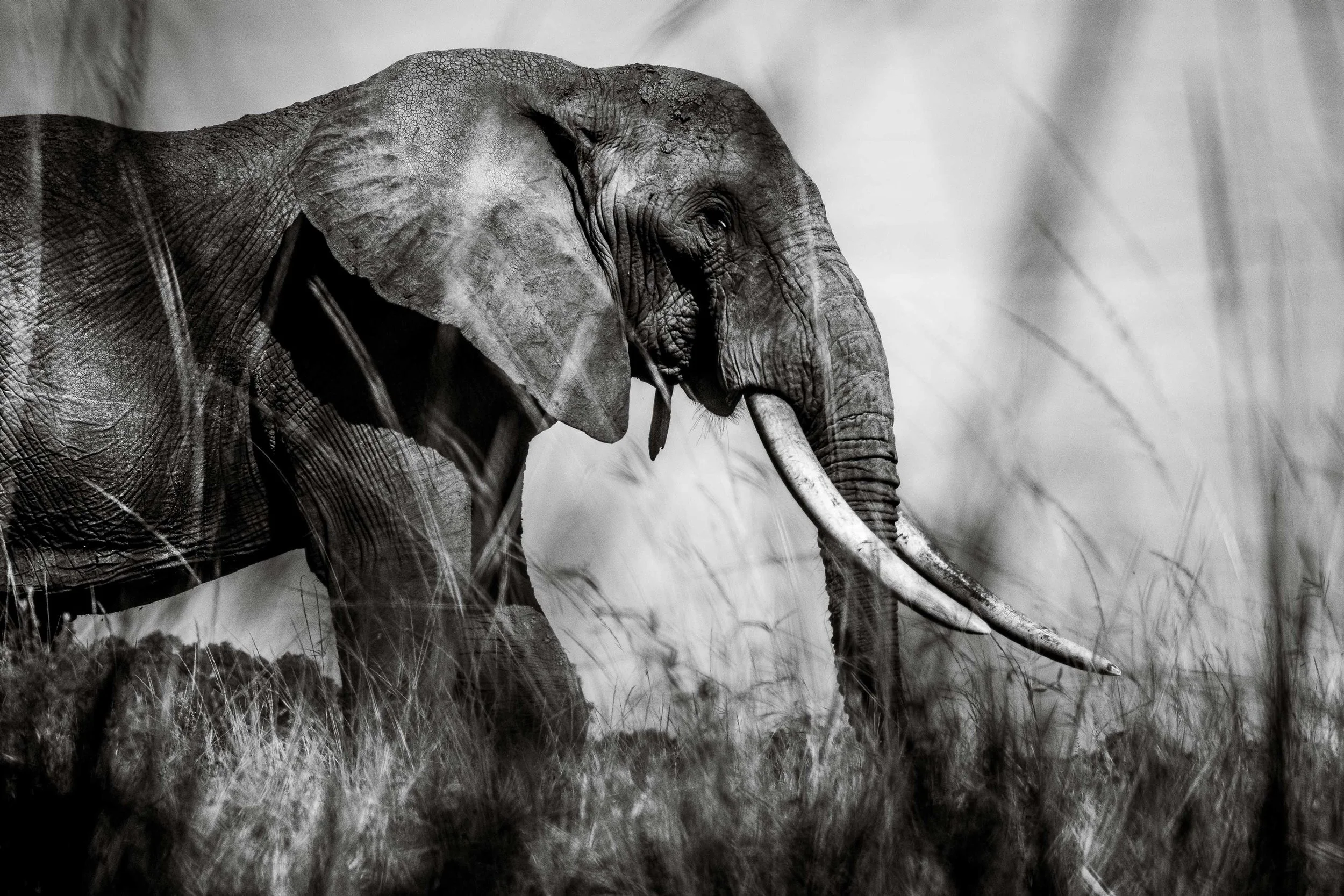
Where detailed portraits showcase texture and expression, silhouettes strip a scene back to its essentials — shape, posture and gesture. That simplicity can often make an image more memorable.
2) Silhouettes encourage you to think differently
Instead of concentrating on fine detail or sharpness, the emphasis shifts to positioning, timing and clean composition. You begin to look for ridgelines, open horizons and uncluttered backgrounds. You pay closer attention to behaviour — the pause before a giraffe feeds, the stride of an elephant against the skyline, or a lone acacia tree framing the scene.
3) Silhouettes are a useful creative solution
From a practical perspective, silhouettes are also a useful creative solution when light conditions become challenging. Rather than packing your camera away once the sun dips low, photographing African animal silhouettes allows you to continue working productively in fading light.
Opportunities For Animal Silhouette Photography In Africa
There are two opportunities per day to capture African animal silhouettes:
Before sunrise, watch for animals standing on the horizon, a ridge, or a hill where the rising sun will sit cleanly behind them.
The same principle applies in reverse before sunset.
These brief windows of low, directional light are among the most reliable moments for producing strong, graphic wildlife photography silhouettes.
If no animal presents itself, even a tree with an interesting sky behind it can be just as effective.
Many strong African animal silhouettes are the result of simple planning and foresight.
Wildlife Silhouette Composition Tips
Successful animal silhouettes rely on recognisable shapes. The viewer should immediately understand what they’re looking at.
It often helps if an animal’s legs are visible and spaced apart so its form is clear. I once photographed young elephants in long grass at sunset, but the image failed because they simply looked like rocks in the grass.
Silhouettes also tend to work best aesthetically when the subject is relatively small within the frame. Frame-filling silhouettes rarely have the same impact.
If you’re photographing a bird in a tree, pulling back to include branches can be more successful than isolating the bird alone. Because silhouettes are usually slow-moving scenes, you often have time to experiment. I suggest you try both wide and vertical formats.
Don’t be afraid of negative space. A strong sky with a small silhouetted subject at the very bottom of the frame rarely fails.
Watch the leg position during movement. A stride with legs spaced apart is more pleasing than when they overlap.
If other elements strengthen the scene, include them. For example, positioning yourself in anticipation of an elephant or giraffe approaching a tree can add structure.
Animal behavioural knowledge helps — as a giraffe nears a tree, it will often raise its head to pluck leaves, creating a stronger profile.
Exposing for African Animal Silhouettes
There is no single exposure rule for photographing silhouettes, as light conditions vary.
As a starting point, underexpose by roughly two stops. You can do this using exposure compensation or manual mode.
Most silhouettes involve relatively slow-moving subjects, so if your first attempt isn’t right, adjust and try again.
At sunset, a useful technique is to spot meter the sky close to the subject, then fine-tune from there.
Semi-Silhouettes
Silhouettes don’t always have to be pure black shapes.
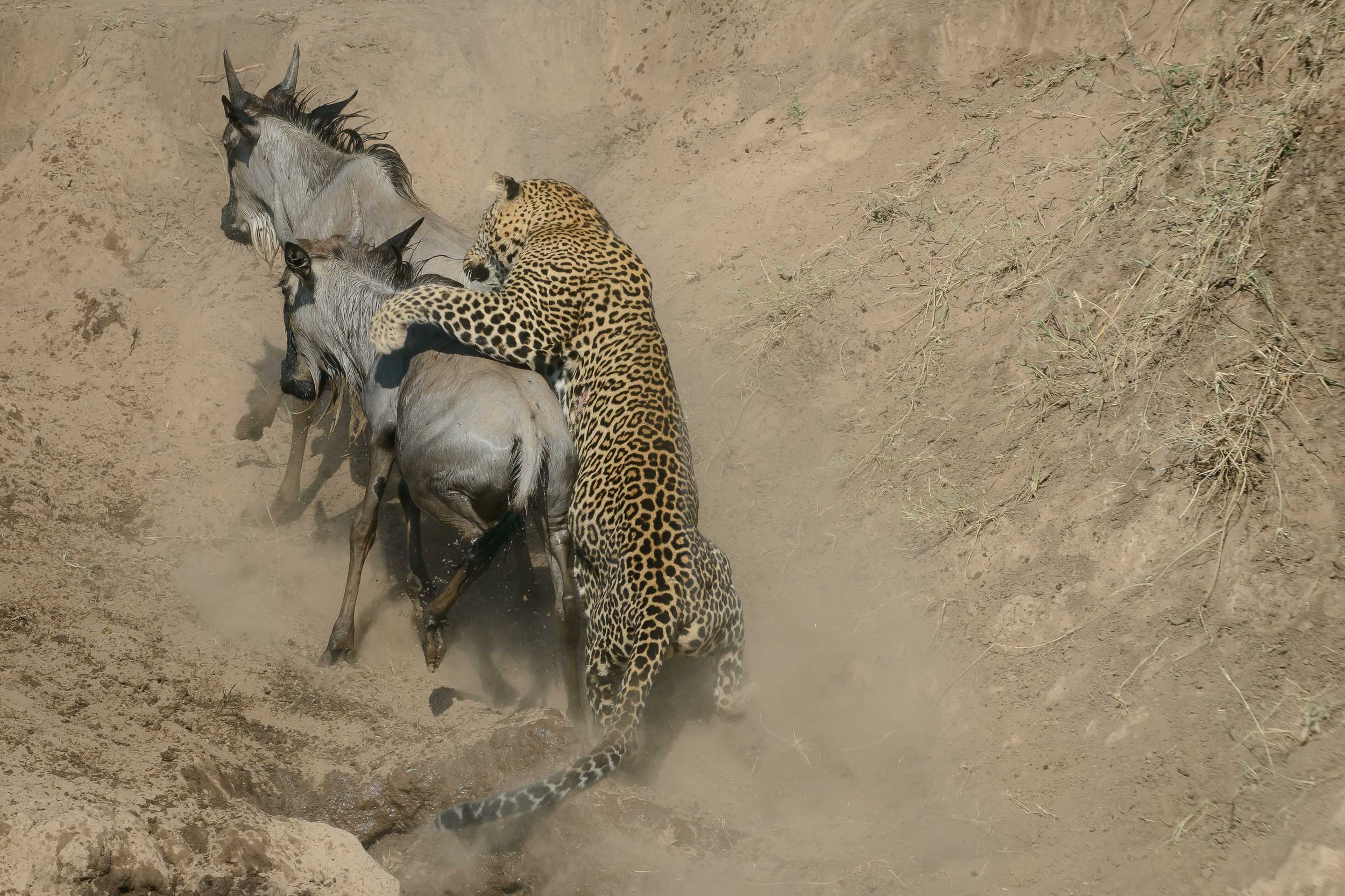
What I call semi-silhouettes retain a hint of detail — on safari, perhaps faint zebra stripes or a trace of leopard spots can be visible. That subtle texture can add interest to your animal silhouette photograph while still preserving the graphic strength of the silhouette.
Capture African Animal Silhouettes On Safari
For those joining me on safari in Africa, silhouettes are something I actively encourage guests to look for. They require patience and awareness rather than complicated technique, and they often become unexpected favourites from a trip.
A strong silhouette rarely fails. When executed cleanly, it is simple, recognisable and quietly powerful. These are qualities that endure long after the moment has passed.
If you enjoyed this, please subscribe to receive wildlife photography tips, news and advance notice about print releases, safaris, new destinations and subscriber offers.
David